
Speed cameras, road safety, and the politics of evidence
Speed cameras aren't a cash grab. The evidence shows they save lives.
Speed cameras aren't a cash grab. The evidence shows they save lives.

Two encouraging developments for road safety and active transportation in the HRM demonstrate how thoughtful advocacy, evidence-based recommendations, and public engagement can influence the conversation about how our streets are designed and managed.
When protected routes become indirect routes and AAA standards are weakened, it is children, seniors, people with disabilities, and those without cars who pay the price.
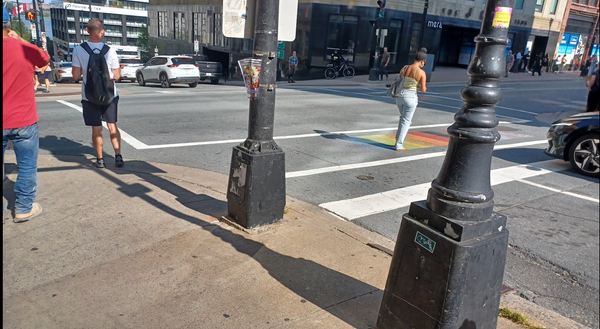
A proposed Vision Zero motion would strengthen Halifax's road safety strategy by setting a clear target, prioritising high-risk locations, and acting before tragedies occur.
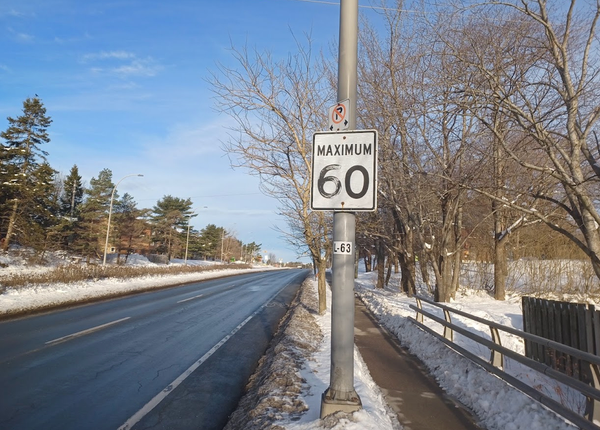
We recommend that the Government of Nova Scotia expressly strengthens the statutory framework governing the preventative responsibilities and accountability of road authorities
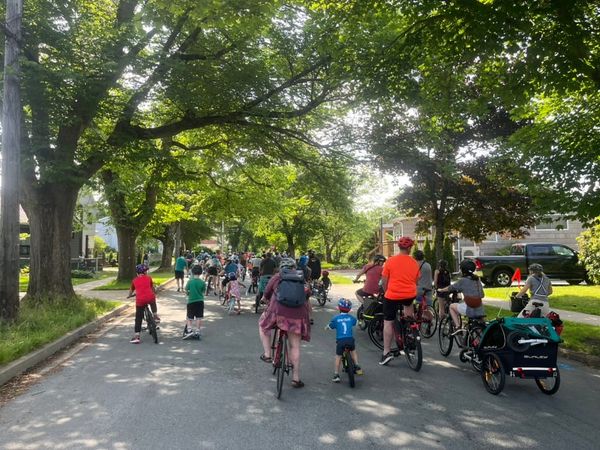
Vision Zero starts with supporting people most excluded by car dependence - children and seniors
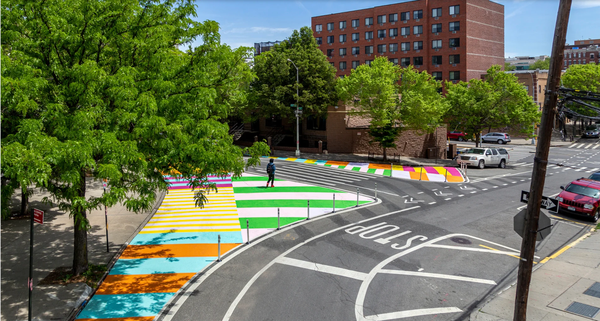
A member of our Vision Zero community posed a great question recently: "what other cities of comparable size have a zero-death record?" This got us thinking - what does success actually look like with Vision Zero and what can we learn from other cities that have achieved it?

We shared initial thoughts on HRM's 2026 Road Safety Annual Report. The report is heading to the Transportation Standing Committee at 1pm today, September 24, 2026. You can attend in person and elect to speak or watch online. We have also shared more concerns around this report with
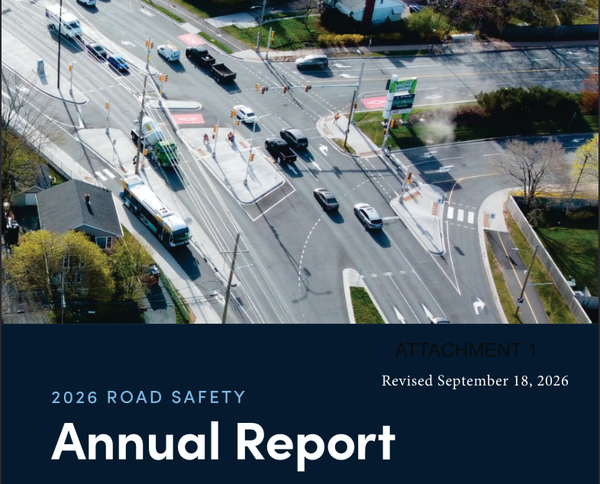
If zero means zero, then the most important number in the 2026 Road Safety Annual Report is twenty. At least twenty people died on HRM roads in 2025. Everything else is secondary.
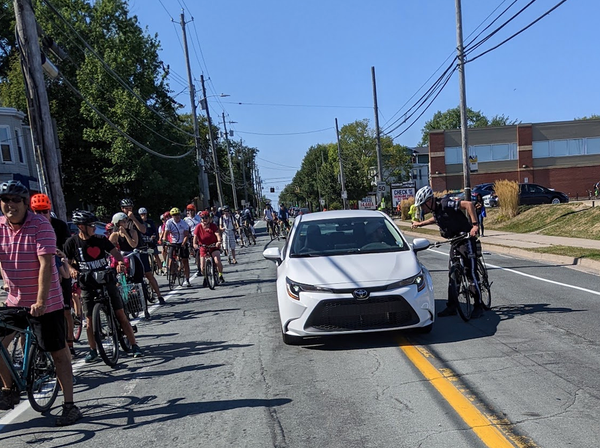
Over 160 reports suggest that dangerous driving is normalised on HRM streets, while too many incidents remain absent from official road safety data.
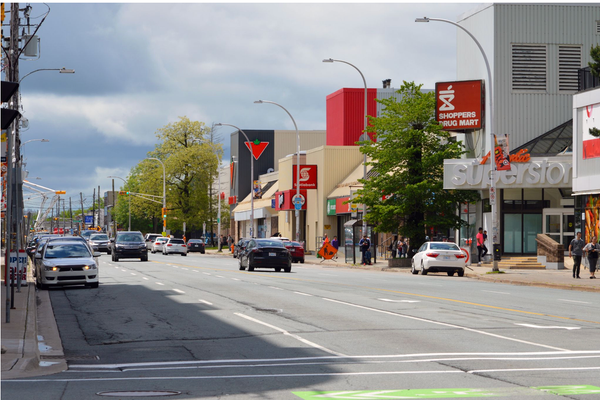
If every traffic death is preventable, why are proven safety measures being implemented so slowly in the HRM? Three examples illustrate the gap between HRM’s Vision Zero aspirations and the reality on our streets.

‘Business as usual is a business of death’ was the grim but accurate assessment of global road deaths by the UN’s Special Envoy for Road Safety, Jean Todt, at the first General Assembly meeting on road safety, where members voted to halve road deaths by 2030.
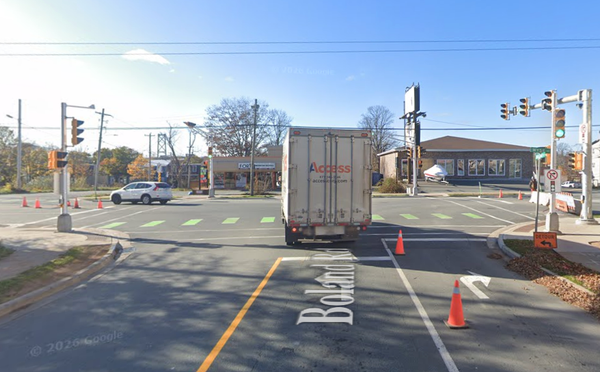
Media Release
Newly released records from Halifax Regional Police provide additional details about a February 27, 2026 crash at the intersection of Wyse Road and Boland Road in Dartmouth that resulted in the death of a pedestrian who was legally crossing.

Explainer
Words matter. The language we use to describe traffic crashes shapes how the public understands road safety, who is held accountable, and what solutions are considered possible.

Vision Zero
Two multi-vehicle crashes on Highway 102 show why the high cost of collisions must be considered when governments decide that road safety investments are too expensive.
Media Release
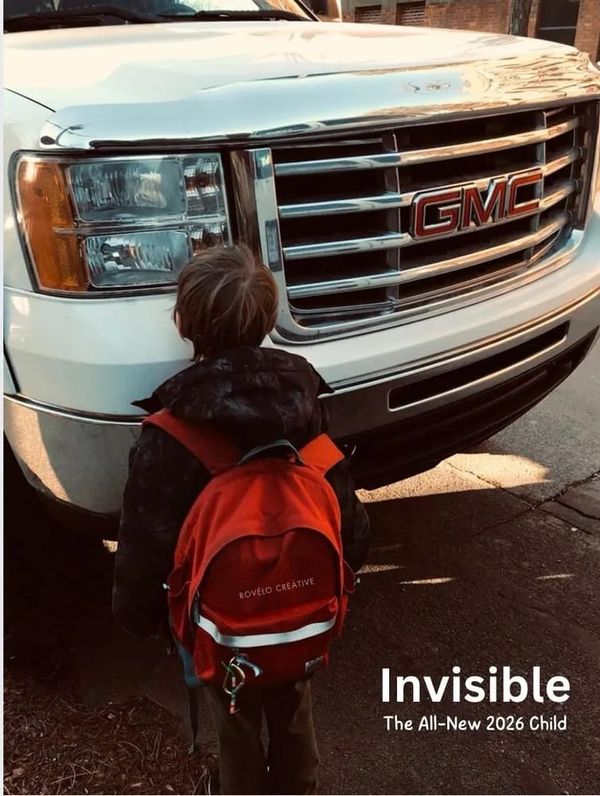
Pickups, largely promoted and used for personal travel, along with SUVs and minivans, accounted for almost 88% of new vehicle sales in Canada in 2025.
Call to Action
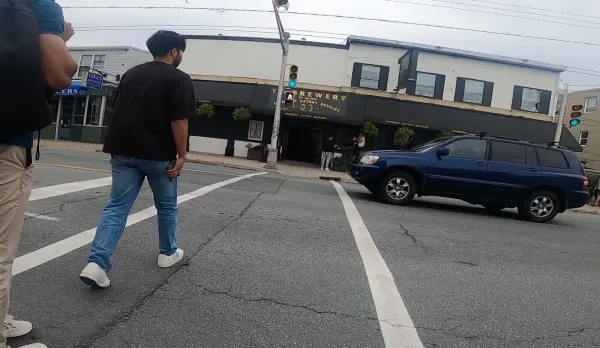
On April 10, 2026, Vision Zero Kjipuktuk-Halifax launched an online incident safety report form for people who walk, cycle, roll or use other modes of micromobility or mobility aids to report any close calls or near misses they experience in the HRM. We did this because these road safety
Call to Action
Vision Zero Kjipuktuk/Halifax asks: Why do our streets continue to allow simple human mistakes to kill people?

Call to Action
Two serious crashes in two days are reported to have resulted in significant injury to pedestrians, one a child aged 14, the second a senior aged 72. Overall, 22% of fatal and injury crash victims in the HRM are vulnerable road users, despite being involved in only 4% of overall

Vision Zero
2025 was the deadliest year on the roads of Kjipuktuk (Halifax) in a decade, with 20 people confirmed to have been killed as of August 2025. This is unacceptable. Our elected officials have a moral and legal imperative to act in the public interest with public money and prevent avoidable

News
We’ve launched a short public reporting form to document safety incidents experienced by people walking, rolling, cycling, or using micromobility in the Halifax Regional Municipality

Position Statement
Vision Zero Kjipuktuk-Halifax strongly supports improving transit reliability through enhanced parking enforcement on key corridors and the implementation of transit-priority street design measures. Such actions reflect a core principle of Vision Zero - that traffic deaths and serious injuries are preventable and are shaped by policy and design. The

Media Release
Road Safety in the HRM is a moral imperative - we need more investment, not cuts Over 30 residents of the Halifax Regional Municipality (HRM) have been killed or seriously injured on our roads since the current Council was elected in October 2024, based on publicly reported cases. Lives cut short,