What gets counted matters: Road safety, reporting, and the enforcement gap
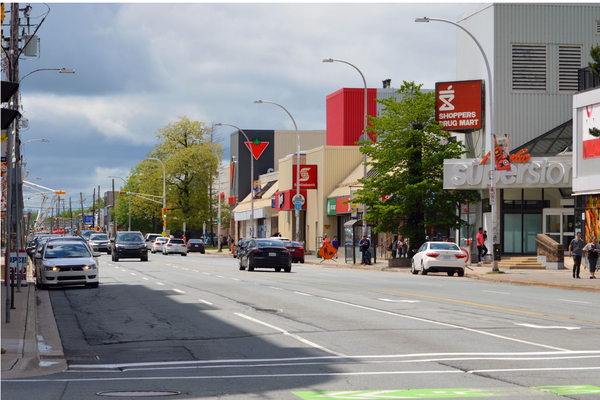
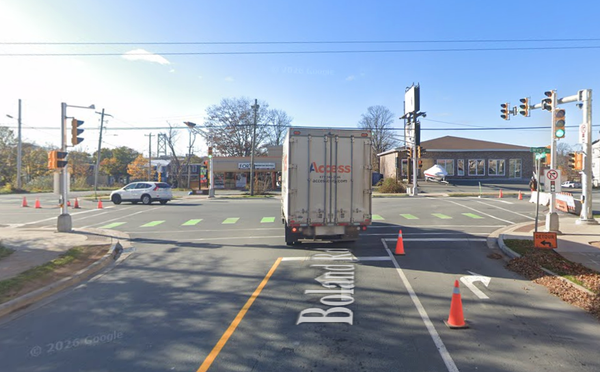
Over 160 reports suggest that dangerous driving is normalised on HRM streets, while too many incidents remain absent from official road safety data.
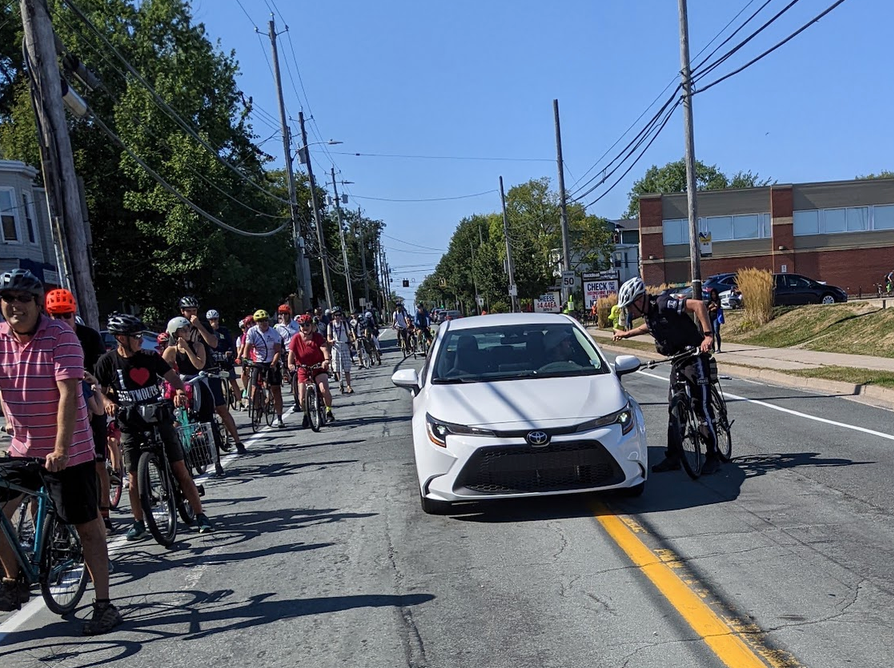
As a group advocating for Vision Zero, we recognise that enforcement has significant limitations and there are valid equity and racial justice arguments against its role in a Vision Zero approach. Nevertheless, many road users expect enforcement as a legitimate response to the widespread dangerous and aggressive driving in HRM that has resulted from decades of prioritising the movement of private vehicles over all other transport modes.
At the most recent meeting of the Board of Police Commissioners, there was discussion about improving police reporting and the data available to inform public safety decisions. This matters for many reasons, but one area where better reporting is desperately needed is road safety.
The limits of enforcement
We recently released a summary of the first 100 submissions to our online incident report form. We now have more than 160 reports from residents across HRM. The stories are remarkably consistent - drivers failing to yield at crosswalks, speeding, running stop signs, unsafe passing, aggressive behaviour, distracted driving, and near misses involving people walking, cycling, and using mobility devices.
What we have collected tells us two things. First, these incidents are happening far more often than official statistics would suggest, and second, many residents have little confidence that reporting dangerous driving will lead to any action. Only a small minority of respondents reported their incident to police or to 311. Most did not. Some have become so disillusioned that they no longer see value in reporting such incidents "because the police don't care and it's a waste of time."
Enforcement and public trust
Official collision statistics generally capture reported crashes, but not the near misses and everyday risks people experience while walking, cycling or using mobility devices. These incidents often change behaviour and perceptions of safety even when no collision occurs.
Respondents repeatedly described an enforcement gap. One of the strongest themes emerging from the reports is not just dangerous driving, but the perception that dangerous driving occurs with little consequence.
Several respondents reported seeing violations occur in front of police officers without enforcement action, while others expressed frustration at seeing police vehicles themselves block crosswalks or commit traffic violations. Whether or not police would agree with these perceptions, they matter. When residents lose confidence that road safety laws are enforced, reporting rates decline and dangerous behaviour can become normalised.
Many of the comments we’ve received did not describe extraordinary events, they described routine experiences. Respondents consistently described everyday violations including rolling through stop signs, running red lights, blocking crosswalks and bike lanes, and failing to yield at crosswalks. While these comments are subjective, the consistency of the pattern across more than 160 reports is difficult to ignore.
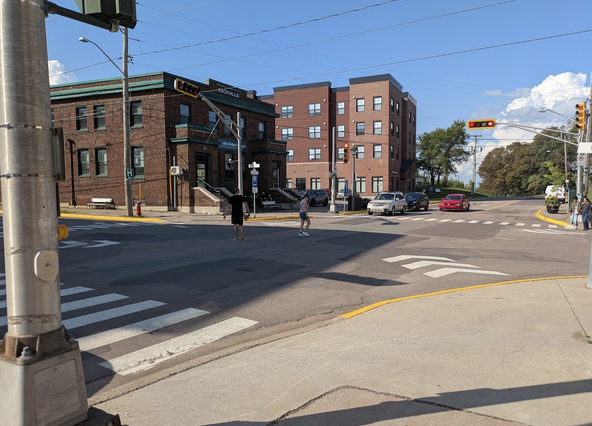
A recent HRM awareness raising campaign focused on pedestrian behaviours at signalised intersections, rather than the driver behaviours most often linked to pedestrian injuries, including failure to yield, distracted driving and other dangerous practices often captured on dashcams. Public awareness has a role to play, but where dangerous behaviour is predictable and recurring, the more effective response is to redesign the street itself. Communities across North America are increasingly using intersection redesigns, signal changes, and other traffic-calming measures to reduce conflict points and improve safety for everyone, like this example from New Brunswick.
Reporting should lead to change
The discussion at the Board of Police Commissioners about improved reporting presents an opportunity to move beyond anecdotes and driver perceptions and build a more complete picture of road danger in HRM. Better reporting, targeted enforcement of embedded behaviours causing harm, and safer street design should be seen as complementary tools.
We recommend that HRM staff, police services, and elected officials use both official data and community-reported incidents to identify recurring problem locations, prioritise improvements, measure outcomes and ensure enforcement strategies are evidence-informed and sensitive to community needs. For example, persistent failure to yield at a crosswalk may require restrictions on right turns on red or signal changes rather than increased enforcement alone. Likewise, roads that remain unsafe for cycling may require adequate protected infrastructure rather than relying on compliance-based solutions.
Please continue reporting incidents, if you can. That reporting should also be sent to your Councillor and traffic staff, via 311. Every report helps make visible the experiences that too often go uncounted, helping us to build the evidence needed to create safer streets for everyone.