Traffic Safety Act and Regulations: Key changes, Vision Zero gaps
We recommend that the Government of Nova Scotia expressly strengthens the statutory framework governing the preventative responsibilities and accountability of road authorities
Vision Zero Kjipuktuk-Halifax is calling on the Government of Nova Scotia to strengthen the new Traffic Safety Act and its associated regulations, warning that tougher penalties for unsafe driving will not be enough alone to mitigate fatal and serious injury crashes unless the Province also address dangerous road conditions proactively through legislation. HRM experienced disproportionate rates of serious and fatal crashes last year, at a per capita rate multiple times that experienced by other municipalities in Canada. Safer roads support health, predictable journeys, harm prevention and less congestion.
"Road safety is about more than penalizing dangerous driving after a crash. Authorities must also identify foreseeable hazards, assess the evidence and take appropriate action before someone is seriously injured or killed" says Martyn Williams, a member of Vision Zero Kjipuktuk-Halifax and a prominent road safety advocate.
The submission highlights several priorities, concerns and questions:
- Accountability for dangerous roads: Require road authorities to assess substantiated reports of serious safety hazards, consider collision data and engineering evidence, explain decisions to reject safety recommendations, and consider proportionate corrective measures within reasonable time frames.
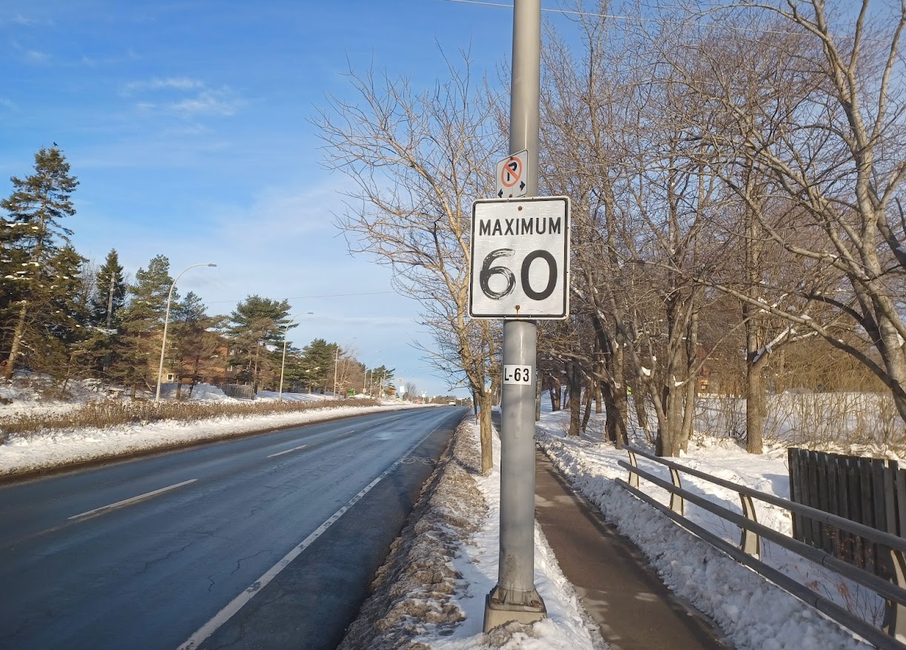
- Safer speed limits: Establish transparent criteria for setting and reviewing speed limits based on road design, surrounding land use, crash history and risks to pedestrians and cyclists. The group also calls for elected municipal representatives to have authority to set lower limits where safety demands it.
- Automated enforcement: Commit to introducing speed cameras and red-light cameras, supported by a clear implementation timeline, to prevent serious collisions.
- New Vulnerable Road User laws: Clarify wording of sections that require drivers to drive with care with regard to all circumstances. These appear to exclude crashes when vulnerable road users are harmed or killed in the current wording of the Act.
- Safer intersections: Improve the regulatory framework for traffic signals and protected turning movements where turning vehicles conflict with pedestrians and cyclists. Authorities should be expected to assess serious risks and justify decisions not to implement appropriate protective measures.
- Better protection for people walking, cycling and using mobility devices: Reconsider provisions concerning passing distances, mandatory single-file cycling, bike-lane use, crosswalk yielding and cyclists crossing at crosswalks. The group also seeks clearer legal protections for disabled cyclists, wheelchair users and mobility-scooter users.
Our group stresses that we are not advocating one engineering solution for every crash or safety issue. Rather, we want a regulatory framework that ensures significant and foreseeable safety risks are properly assessed and not left unaddressed.
Representatives of Vision Zero Kjipuktuk-Halifax request a meeting with the Minister and departmental officials to discuss the submission and changes needed to support safer roads for everyone.
Read our submission below.