Growing up and growing old in a city designed for drivers
Vision Zero starts with supporting people most excluded by car dependence - children and seniors
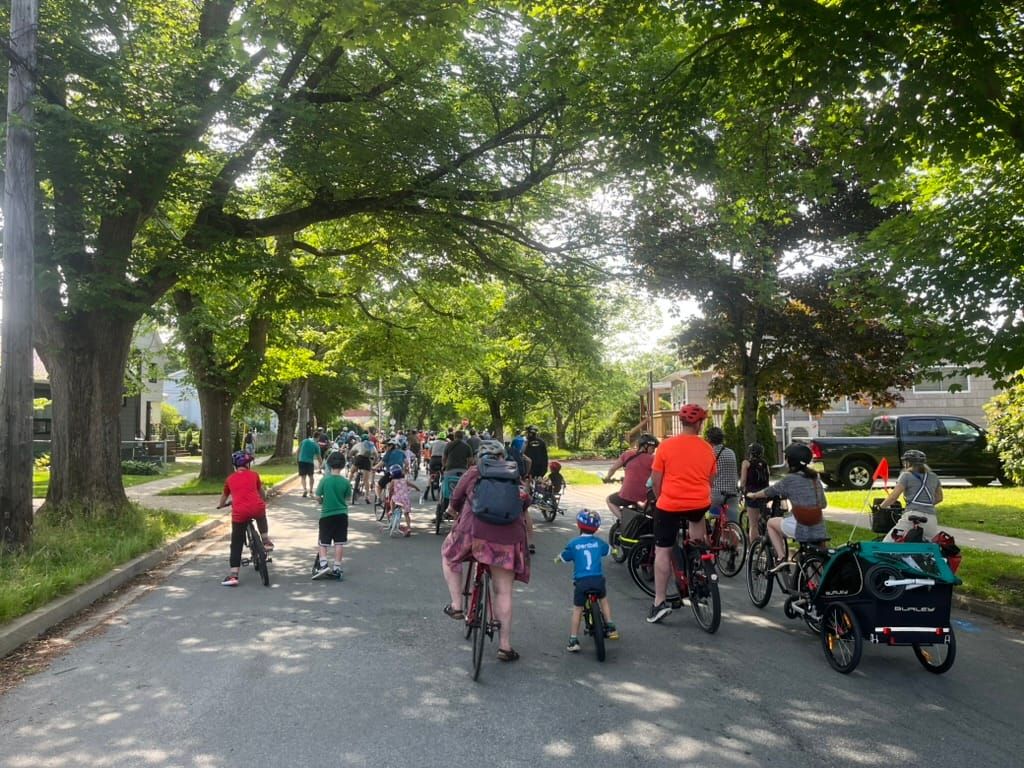
Two recently reported incidents got us reflecting on the harms caused by HRM's lack of a clear strategy for implementing Vision Zero, a concern we have highlighted in previous posts here and here.
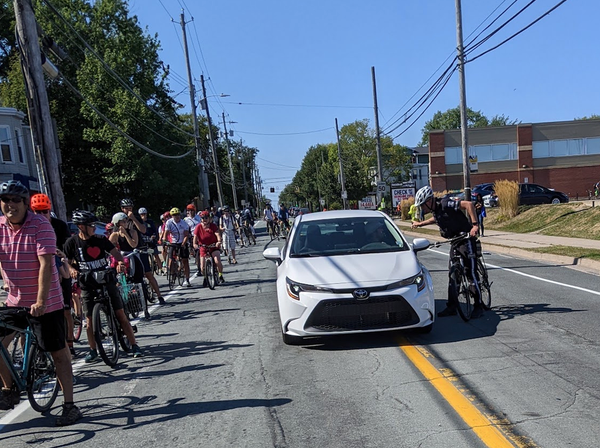
First, a driver disrupted a child-friendly “Kidical Mass” bike ride to express their anger at parents forcing their “agenda” on their children. Kidical Mass rides in Halifax are a demonstration of community support for safe streets, showing how children can use public streets when they are designed with them in mind.
Second, an 84-year-old woman struck a 61-year-old man with her car in Bedford as she exited a driveway. The driver was issued with a summary offence ticket for failing to yield to a pedestrian on a sidewalk when emerging from a driveway. The person struck is a popular local advocate who was honouring Truth and Reconciliation Day when he was injured and sent to hospital. These two stories illustrate how, from the youngest to the oldest, the HRM is failing its residents when it comes to road safety.
We’ve written before about motonormativity, a term used to describe the way society treats car dependence as normal, inevitable, and unquestionable. Victim-blaming narratives are also prevalent in media reporting or online discussions around road safety, with dangerous infrastructure and driving often not mentioned or overlooked. Research published in 2019 found that media coverage of pedestrian collisions frequently shifts attention toward the behaviour of people walking, while children struck by drivers are often described as having "darted" into traffic.
Children are perhaps the clearest example of how deeply our transportation system prioritises drivers over everyone else. Children cannot legally drive, and research shows that most children are not developmentally equipped to safely navigate traffic environments designed around moving automobiles quickly and efficiently. Yet we routinely build communities around this priority, leaving children dependent on adults for their mobility.
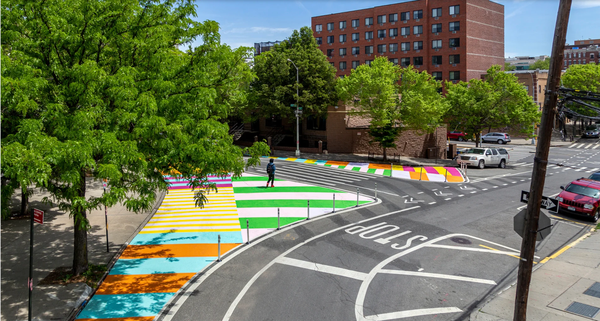
Events like Kidical Mass demonstrate a simple premise – that children need, and deserve, the freedom to move safely through their communities. A transportation system that works well for children is one that works well for everyone. Slower speeds, protected cycling infrastructure, safer crossings, and quieter neighbourhood streets make communities more accessible not only for children, but also for seniors, people with disabilities, and anyone using active transportation.
The same system that limits children's independence often traps older adults in unwanted car dependence. As people age, changes in vision, reaction time, mobility, or confidence can make driving more difficult. Yet in many parts of HRM, the transportation system assumes that residents will continue driving throughout their lives, regardless of whether doing so remains safe or comfortable. The result is that many seniors continue driving because it feels like the only option available to them.
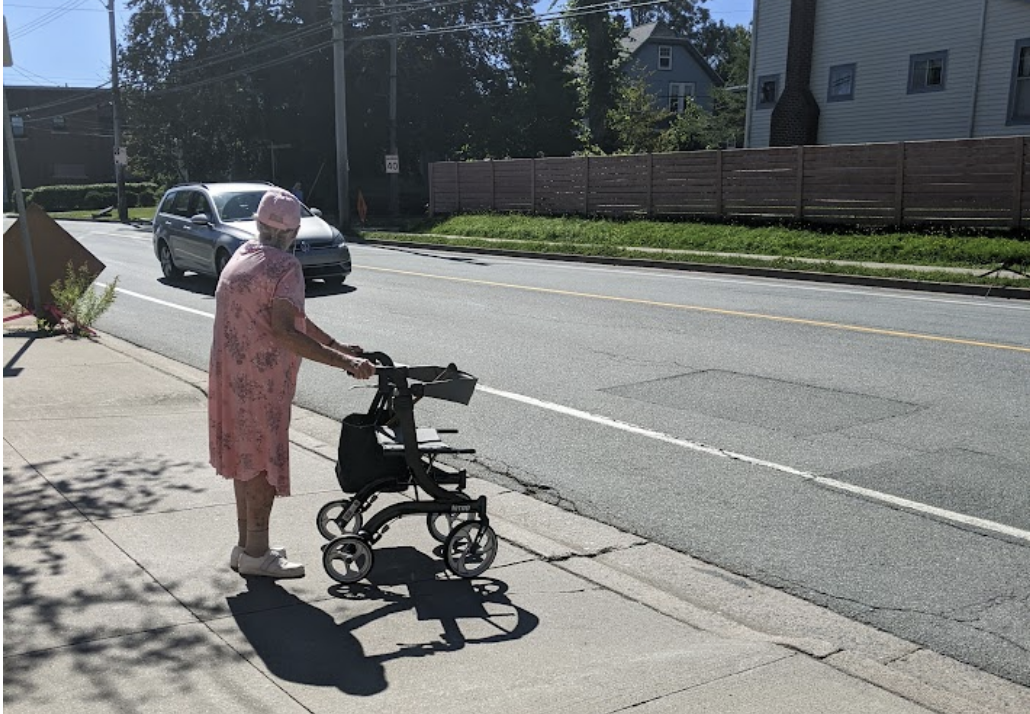
A useful test of any transportation system is whether it allows people to participate safely in community life at every stage of life. Children should not require a chauffeur to reach a park, and seniors should not need to operate an expensive personal vehicle to maintain their independence. If our streets only work for confident drivers, they are failing a significant portion of the population. We need transportation and mobility systems that provide a viable alternative for people who can’t, don’t or shouldn’t drive. We need to support seniors with basics like bus timetable information at bus stops, level sidewalks and safer road crossing infrastructure, along with safe options for cycling, given the increasing numbers of seniors riding e-bikes.
Vision Zero asks us to design transportation systems around the needs of the most vulnerable users first, recognising that streets that are safe for children and older adults are safer for everyone. A city that truly embraces Vision Zero would provide:
- Frequent, accessible public transit
- Safe and comfortable walking routes
- Protected cycling and mobility infrastructure
- Mixed-use communities where daily needs are closer to home
- Transportation options that remain usable even when driving is no longer safe
We must demand more from our elected officials when it comes to Vision Zero. Contact your councillor or MLA to demand action, or to let them know what you or your senior or child family members need for safe mobility that doesn’t require driving. Adapt our template and please copy us into your emails: visionzerokh@gmail.com.