Darker nights are here but road deaths don't have to be
No amount of reflective material can compensate for a dangerous road design. No flashlight can replace a safe crossing. No individual action can overcome a transportation network that prioritises vehicle throughput over human life.

Once the clocks change and daylight hours shorten, many residents of the HRM find themselves commuting, walking the dog, cycling to work, or waiting for transit in the dark.
The return of darker evenings often brings familiar safety messages, typically aimed at people walking, wheeling or rolling. "Wear reflective clothing!" "Carry a light!" "Pay extra attention when crossing the street!" While these reminders can help raise awareness of road safety, they unintentionally reinforce a harmful narrative - that preventing traffic deaths and serious injuries is primarily the responsibility of the person most at risk; residents who are moving around our streets without the protective metal shell of a motor vehicle.
A Vision Zero approach looks at the issue differently by acknowledging that people make mistakes - drivers can become easily distracted, or pedestrians might misjudge a gap in traffic. These are normal human errors. The critical question is whether our transportation system is designed so that these inevitable mistakes result in a near miss or a life-changing tragedy.
Darkness does not create danger on its own, rather it exposes weaknesses that already exist on our streets. A person walking or wheeling home at 5:30 pm in November is no less entitled to safety than someone walking or wheeling the same route at 5:30 pm in July. Yet many sidewalks, crossings, bus stops, and intersections throughout our region remain poorly illuminated or designed primarily around prioritising motor vehicle movement. Bus stops on main routes may lack sidewalk connections altogether.
When visibility is reduced, the consequences of those design choices become more apparent. Research consistently shows that pedestrian collisions are more likely to occur during hours of darkness. The solution is not simply to remind people walking to be more visible, but to design and implement a safe system that anticipates that there will be people moving in different ways outside after dark and takes these movements and vulnerabilities into account.
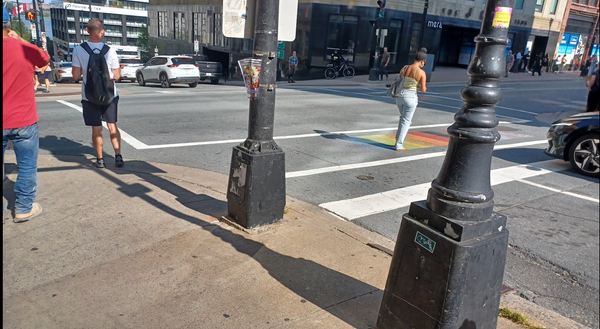
That means ensuring crosswalks are highly visible and properly illuminated so that drivers can see someone waiting to cross. It means reducing vehicle speeds in areas with significant pedestrian activity. It means implementing shorter crossing distances, improving sightlines, and installing infrastructure that safely separates people from moving vehicles, because drivers make mistakes.
Speed is particularly important because a person struck by a vehicle travelling at 30 km/h has about a 99% chance of survival, compared with about 80% at 50 km/h. Darkness does not change the laws of physics. If anything, reduced visibility strengthens the case for designing streets where lower operating speeds are the norm rather than the exception.
Thousands of residents also depend on transit throughout the winter months. Many transit users begin or end their journeys by walking. Every poorly lit pathway to a bus stop, every missing sidewalk connection, and every unsafe crossing represents another point of risk that has nothing to do with individual behaviour and everything to do with how public infrastructure is designed and maintained.
Some residents may also face additional challenges during darker months. Older adults may experience reduced night vision, greater sensitivity to glare, and more difficulty detecting hazards in low-light conditions as part of the normal ageing process. People using wheelchairs or other mobility devices may be especially affected by poorly lit routes, where hazards, uneven surfaces, and obstacles can be harder to detect.
Children face unique risks as pedestrians because they are less visible to drivers, can have difficulty judging vehicle speed and distance, and may be obscured by parked vehicles and other roadside features. If a street becomes unsafe as soon as daylight fades, the problem is not the darkness but the street not being designed to keep people safe under low light conditions.
Winter darkness is entirely predictable in Nova Scotia - we know it is coming every year. We know where people walk, cycle, roll, and take transit. We also know which intersections generate conflicts and where residents report near misses.
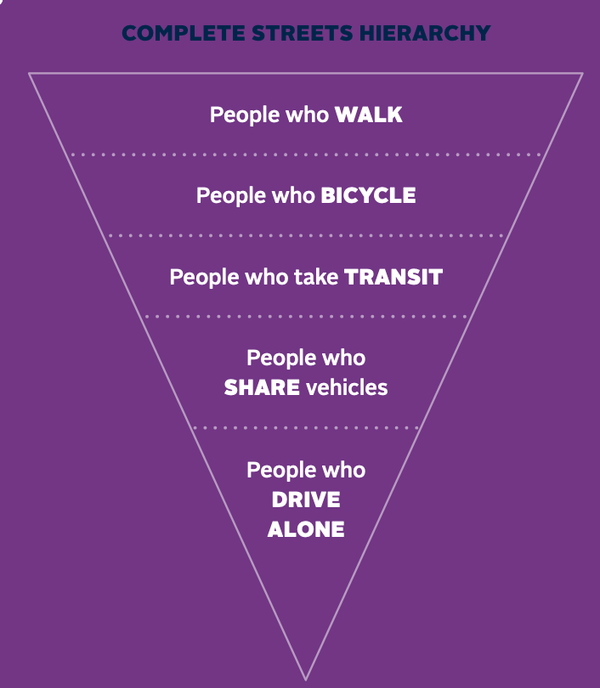
Traditional decision-making often tells us that changes are “too expensive”, because the cost of prioritising cars is already a significant drain on budgets. Framed through a Vision Zero lens means prioritising safe mobility for those who need it the most. In practice this means shifting messaging and resources away from “streets are dangerous, vulnerable road users beware” to "streets are for everyone, the onus is on drivers and decision-makers to support safety for those who most need it".